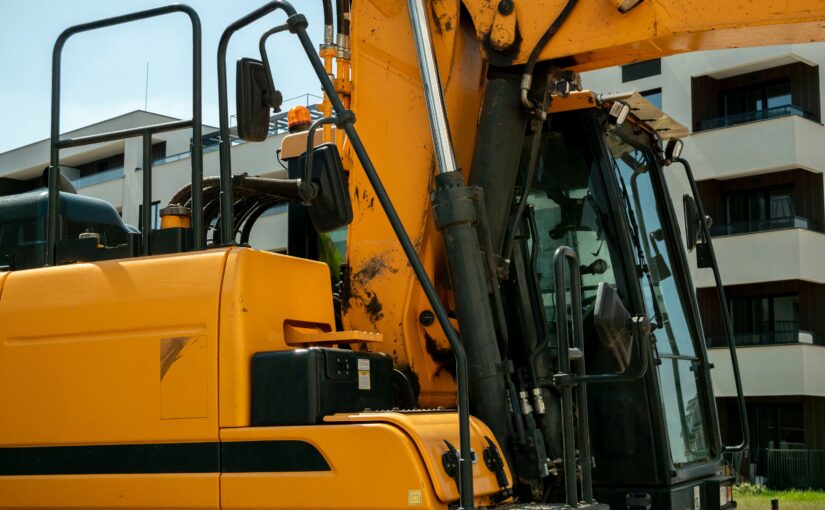
Revitalization doesn’t usually begin with a ribbon cutting. It begins earlier – messier – with the decision to take something down that stopped serving anyone a long time ago. That decision makes people uncomfortable, which is fair. Watching a building come down feels like loss, even when the building in question has been a liability for years. But there’s a difference between preserving what matters about a neighborhood and hanging onto a structure just because it exists.
Sometimes the most productive thing a city block can do is get out of its own way.
When the Problem Is the Building Itself
There’s a persistent myth that vacancy and decay are somehow neutral – that an old building sitting empty is better than the uncertainty of what comes next. It’s not. A shuttered warehouse doesn’t hold memories in place. A condemned row of houses doesn’t preserve history. What they do is occupy space, drag down neighboring property values, and signal to everyone paying attention that nobody’s making a decision here.
Blighted properties create friction. They make surrounding blocks harder to invest in, harder to sell, harder to maintain. And they tend to attract exactly the kind of activity that residents are trying to move away from.
Strategic demolition – the kind done with a plan and equipment like a concrete pulverizer – removes that friction. When a long-neglected lot finally gets cleared, neighbors notice. There’s something almost psychological about it. The weight lifts a little. People start to believe that something could actually happen here.
That belief is more foundational than it sounds.
The Housing Piece Is Complicated, But Worth Getting Right
Housing conversations are rarely simple, and anyone who tells you otherwise is probably selling something. Supply matters – but so does what kind of supply, and where, and for whom. A condemned fourplex that’s been sitting empty for six years isn’t contributing anything to local housing stock. What gets built in its place can.
New construction built on cleared land has real, practical advantages over aging housing stock: better insulation, updated wiring and plumbing, layouts that actually reflect how people live now. For a family spending a disproportionate share of income on rent, those aren’t abstract benefits – they translate directly into monthly savings and quality of life.
The word “displacement” is never far from these conversations. And it shouldn’t be. Demolition done carelessly does push people out. It can erase the affordable units that working-class residents depend on. But demolition that comes with serious community engagement – where residents have a seat at the table before the machines arrive – can do something different. It can expand who gets to stay, rather than quietly narrowing that list.
The difference between the two versions of this story is almost entirely about process.
Empty Storefronts Don’t Fix Themselves
Commercial blight has its own momentum, and it runs in the wrong direction. One business closes. Foot traffic drops. The next block over starts to feel risky. Landlords hold out for rents the market can’t support, storefronts sit dark, and the whole corridor quietly signals: don’t bother.
Removing buildings that have become structural liabilities breaks that pattern. New commercial footprints can be built for flexibility – ground-floor retail with housing above, smaller units that lower the barrier for local operators, shared spaces that draw people in. The goal isn’t a perfect master plan. It’s a block that has enough going on to feel worth visiting.
That distinction matters. Walkable, active streets don’t emerge from grand visions alone. They come from accumulated small decisions about what gets built and how it’s designed to be used. Demolition clears the way for those decisions to be made.
The Harder Conversation
Not everything can be rebuilt in a way that makes people whole. That’s worth saying plainly.
Long-term residents carry history that doesn’t show up in property records. A corner store that meant something to a neighborhood. A building facade that marked a particular era. The texture of a block that took decades to develop. That kind of thing is easy to undervalue when you’re focused on what comes next.
Good revitalization work – the kind that holds up over time – takes that seriously. It means going into community meetings prepared to hear things that slow the process down. It means making room for difficult trade-offs rather than papering over them with optimistic renderings. It means being honest about who benefits from a given project and in what timeframe.
That’s not a case against demolition. It’s a case for being deliberate about it.
What Actually Gets Built
When this works – and it does work, when the planning is honest and the execution is careful – the effects start to layer. New housing brings residents. Residents support businesses. Businesses generate jobs, tax revenue, foot traffic that makes the neighborhood function. Parks get maintained. Schools get funded. The whole system tilts in a more productive direction.
That doesn’t happen because of a single project. It happens because enough projects, done thoughtfully, shift the baseline of what’s possible in a place. The cleared lot was never the point. It’s just where the story had to start – the moment someone decided that what was there wasn’t worth keeping, and what could be there was.
Most cities have blocks like that. The question is what happens next!